From R&I to policy: how EU-funded projects contribute to the bioeconomy conversation
EU-funded research initiatives are increasingly called upon to deliver impact beyond scientific and technological progress. Scientific research impact extends far beyond the laboratories where experiments are conducted, especially when research and innovation intersect with biodiversity, biotechnology, and sustainability.
In such a framework, EC-projects are well placed to inform policy dialogue, with policy briefings being a powerful tool for translating project results into evidence-based insights that can influence Europe’s research and innovation priorities as well as the regulatory frameworks underpinning strategic objectives for the green and digital transition.
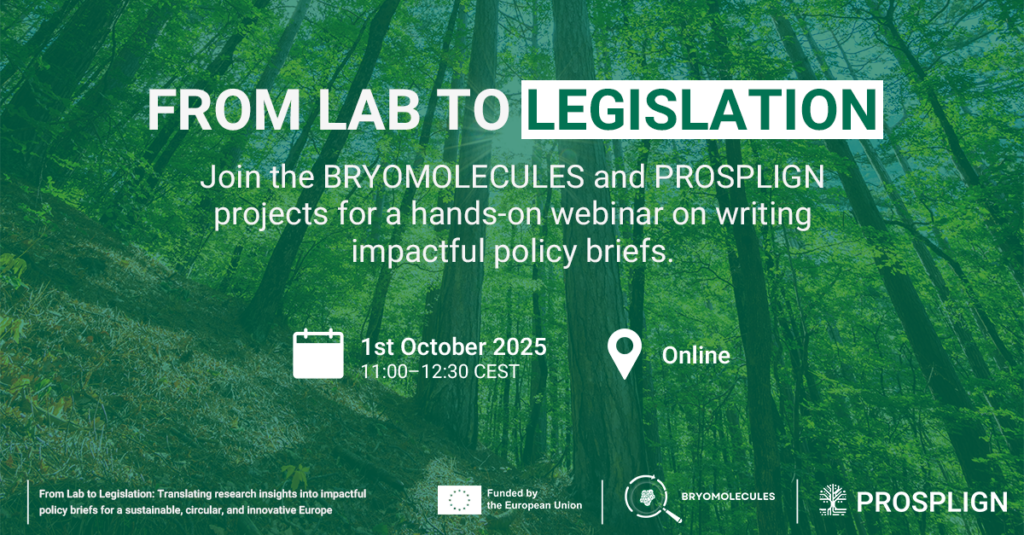
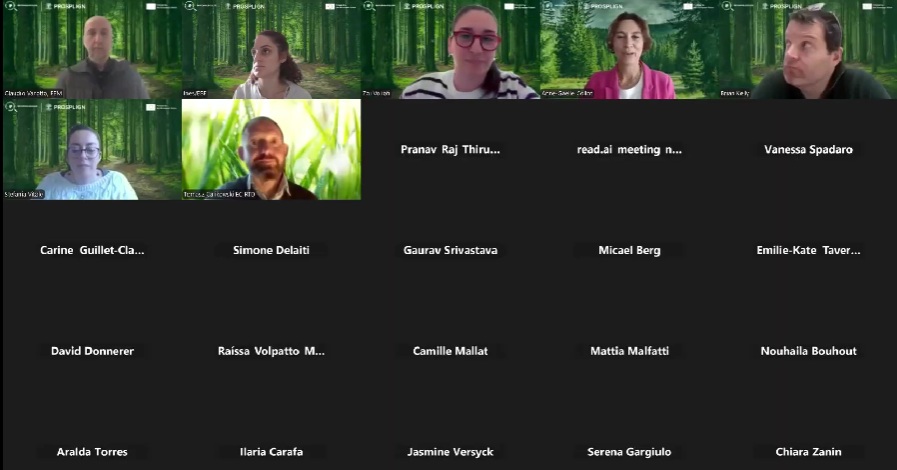
Leveraging on aligned interests and common objectives to contribute to policy dialogue on bio-based technology development and circular bioeconomy implementation, BRYOMOLECULES has teamed up with its sister project PROSPLIGN to jointly organise the webinar “From Lab to Legislation: Translating Research Insights into Impactful Policy Briefs for a Sustainable, Circular, and Innovative Europe”. Held on 01 October 2025 in the framework of the EU Biotech Week, the webinar programme provided a forum to build a common understanding and strengthen capacities for producing effective policy briefs, using individual project experience with the matter as a starting point to drive a policy-focused conversation on EU strategic priorities related to the circular bioeconomy, bio-based value chains, and biotechnology innovation.
Projects’ viewpoint: focal policy areas and recommendations
Based on their individual policy briefing exercises, BRYOMOLECULES and PROSPLIGN projects together provided a comprehensive set of recommendations to prompt policy alignment and strengthen biotechnology research in Europe.
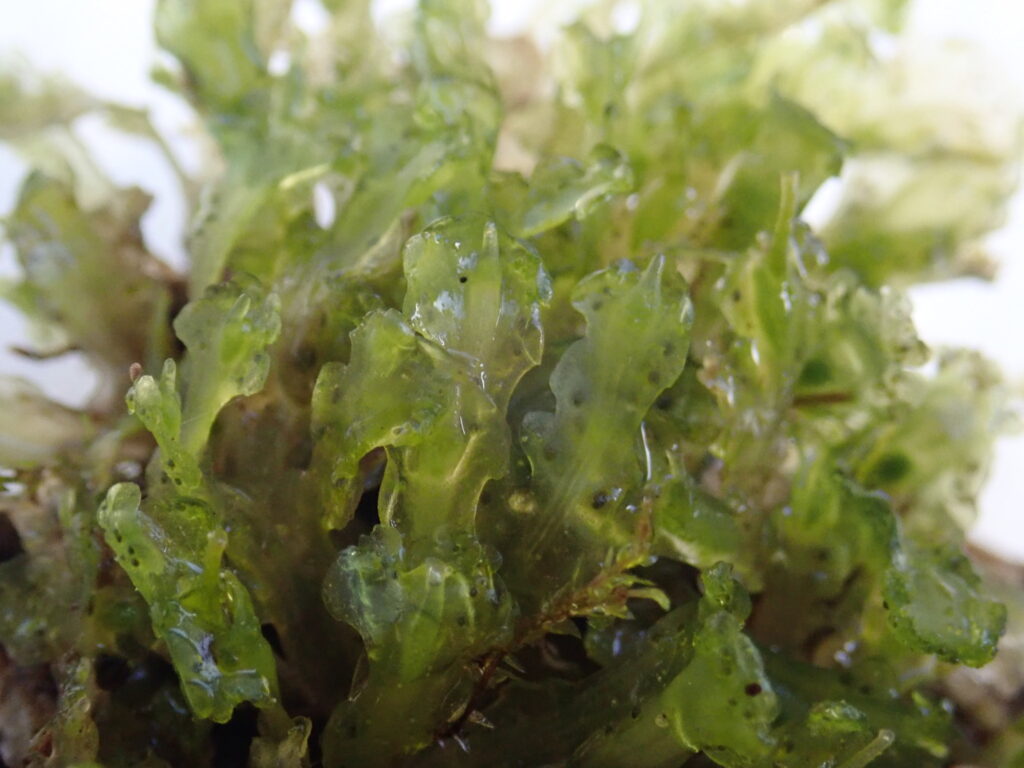
BRYOMOLECULES emphasises the need for simplified, standardised procedures to implement the Nagoya Protocol across EU countries with differing national requirements, alongside enhanced integration of resources for the conservation of EU bryophytes, combining IUCN Red List data, in-situ and ex-situ conservation efforts, and genetic resources generated within the project. It also proposes the standardisation of bioactivity assessments for natural products, establishing protocols for reporting effects in both mixtures and purified forms.
Complementing these efforts, the PROSPLIGN project recommends bridging the gap between EU policy briefings and funded research through guidance tools or webinars on RIA/IA policy briefing, as well as incorporating explicit policy implementation measures into future calls for proposals to align research more closely with EU objectives. Building on its research into lignin valorisation, PROSPLIGN also advocates for the creation of an ISO certification standard for lignin characterisation, facilitating the identification of bioactive molecules and ensuring compliance with the Nagoya Protocol, thereby linking scientific rigor, regulatory clarity, and market readiness.
Invited contributions, policy context
The webinar also featured contributions from the European Commission DG RTD and EuropaBio, which highlighted, respectively:
- the EU policy context in the field of bioeconomy and biotechnology innovation, including recent initiatives like the European Life Science Strategy and the EU Biotech Act. Such initiatives are expected to support and facilitate the development and uptake of bio-based innovation and the implementation of a circular bioeconomy
- the importance of cross-sectoral industry associations in supporting the development of a competitive biotechnology market in Europe. The need was underlined to remove financial barriers to accelerate the adoption of innovations, promote risk-based regulatory approaches for microorganisms, and ensure a level playing field between bio-based solutions and fossil-based products.
Panel discussion
To conclude the webinar, a panel discussion explored key challenges in funding bio-innovation, stressing the need for greater support for pilot and demonstration projects to help promising technologies progress from concept to market. Also, the importance of stronger collaboration between academia and industry was highlighted, fostering knowledge exchange and accelerating the translation of research into practical applications. In addition, the panel recommended early market analysis for low-TRL projects to better anticipate commercial opportunities and guide strategic decision-making, ensuring that investments in emerging bio-innovations are both scientifically robust and economically viable.
Event key take-home messages
The webinar highlighted the importance of bridging scientific research and industrialisation, demonstrating how funded EC projects can actively support this process through effective, evidence-based policy briefings. Participants emphasised that enhanced collaboration, targeted funding, and coherent policy frameworks are essential to advancing Europe’s circular bioeconomy and fostering a more innovative and sustainable industrial landscape. Want to know more about BRYOMOLECULES policy action? Read our first policy brief
Want to know more about BRYOMOLECULES policy action? Read our first policy brief
Follow our sister project PROSPLIGN’s journey and visit their website
Author: Stefania Vitale