2nd BRYOMOLECULES Annual Meeting: Transitioning from discovery to potential applications
The BRYOMOLECULES consortium gathered in Lund, Sweden, from 26 to 28 August 2026 for its second annual meeting. Over three days, partners shared updates, presented new findings, and set priorities for the next stage of the project.
Now that BRYOMOLECULES has reached its final year of implementation, the focus is shifting from exploring European bryophyte diversity and develop methods to investigate and harness its biochemical potential, to identifying promising compounds for industrial applications and considering how to exploit the project’s results.
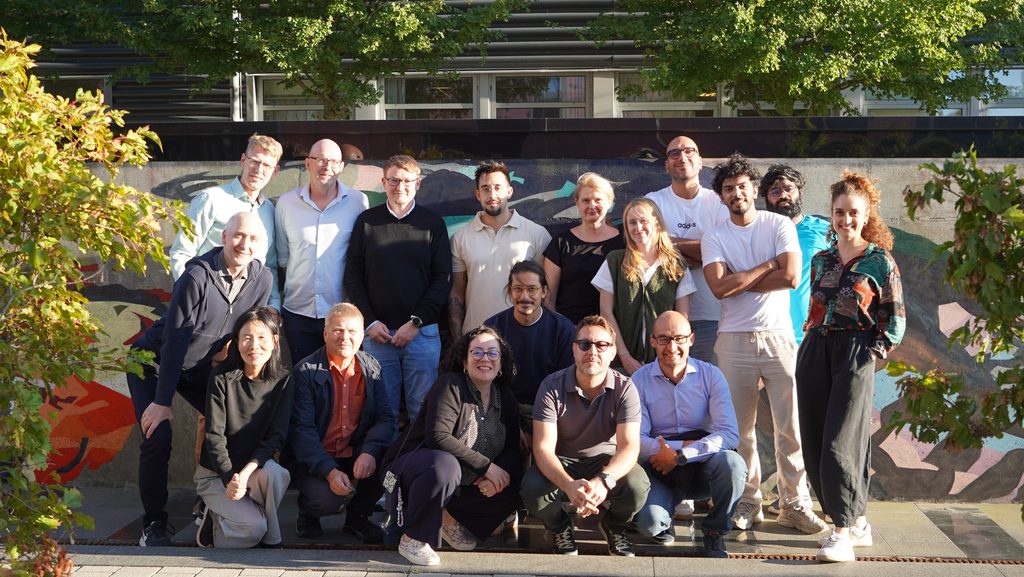
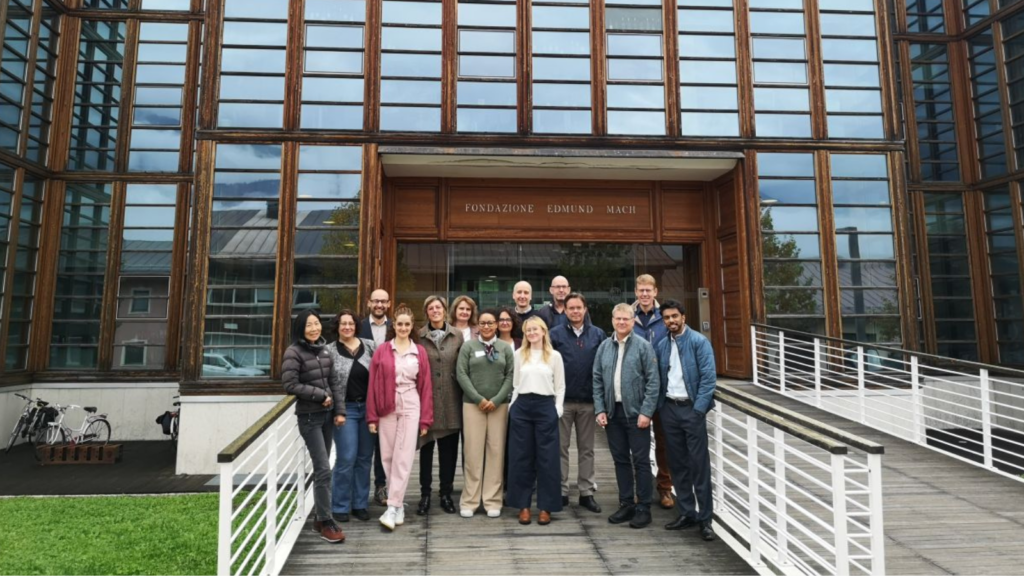
Picture 1: Group picture of BRYOMOLECULES partners at the M24 annual meeting
Building on two years of research
The meeting began with a summary of the project’s progress. Partners reviewed activities in each work package and discussed what has been achieved in the first two years.
At Lund University, bryophytes’ axenic cultivation and collection are progressing, with an increasing focus on liverworts and on improving growth and exudate production. More samples and exudates are being shared with partners for further analysis, while work on optimising cultivation conditions continues. This research on bryophytes’ axenic cultures has also been presented at international conferences, where it was very well received by the audience, helping to share the project’s findings with the wider scientific community.
At the Medical University of Lublin, partners are analysing bryophyte extracts and exudates, including biomolecules and metabolites released into culture media. Work includes improving extraction and analytical approaches to make the most of the available material and identify valuable compounds for further analysis.
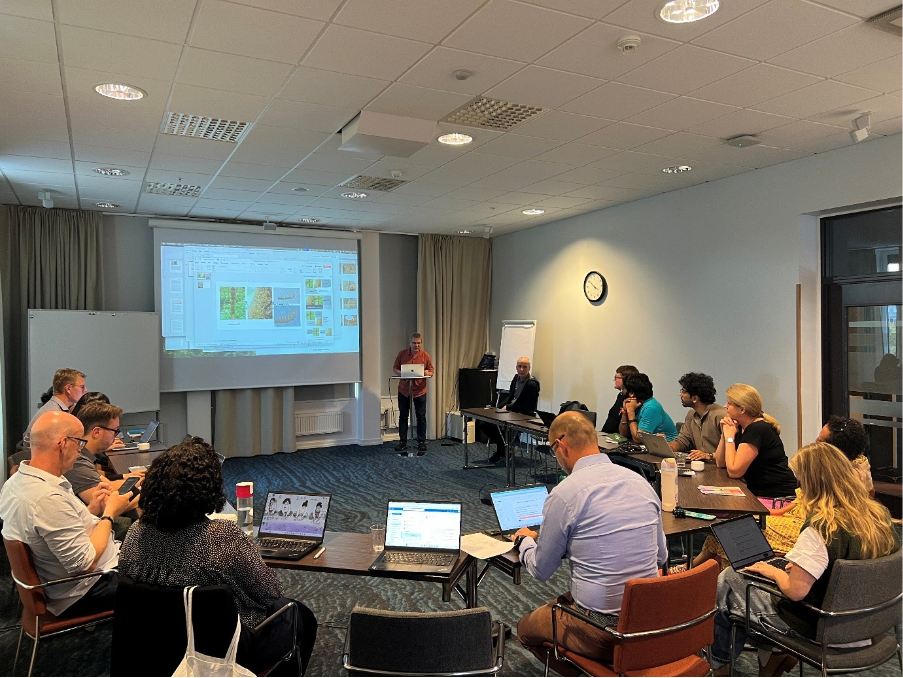
Picture 2: Partners during presentation of project progress
Moving closer to promising compounds
Significant progress in identifying relevant molecules with biological activities was reported, paving the way for potential future applications and industrial stakeholders’ interest.
Our partners at BIONOS Biotech SL and Plant Advanced Technologies SA have continued screening bryophyte extracts and assessing their biological potential. The work focuses on hit molecules pertaining to inflammation, oxidation, microbial regulation, and skin lightening targets, with promising candidates identified for further investigation.
In parallel, Université Jean Monnet, Saint Etienne and Fondazione Edmund Mach are making progress in identifying and validating biosynthetic pathways for selected compounds. This work explores how promising BACs production can be enhanced through engineered biological systems, supporting the development of more sustainable production approaches.
Turning results into future opportunities
The meeting also focused on how to build on the project’s results and engage relevant stakeholders, to maximise the outcome valorisation. During the exploitation workshop organised by Fondazione HUB Innovazione Trentino, the consortium discussed potential pathways for putting BRYOMOLECULES’ findings and resources to use, while considering their future applications from an early stage.
The discussions also examined how results are shared within and beyond the consortium, with plans to enhance the dissemination of outputs, continue communicating new findings, and make the project’s knowledge accessible to a wider audience.
Alongside this work, the European Science Foundation team presented the communication activities carried out so far and discussed plans for the months ahead, with a focus on increasing the project’s research and results visibility and accessibility, including specific initiatives to further engage both general public and specialised expert audiences.
Back to the bryophytes
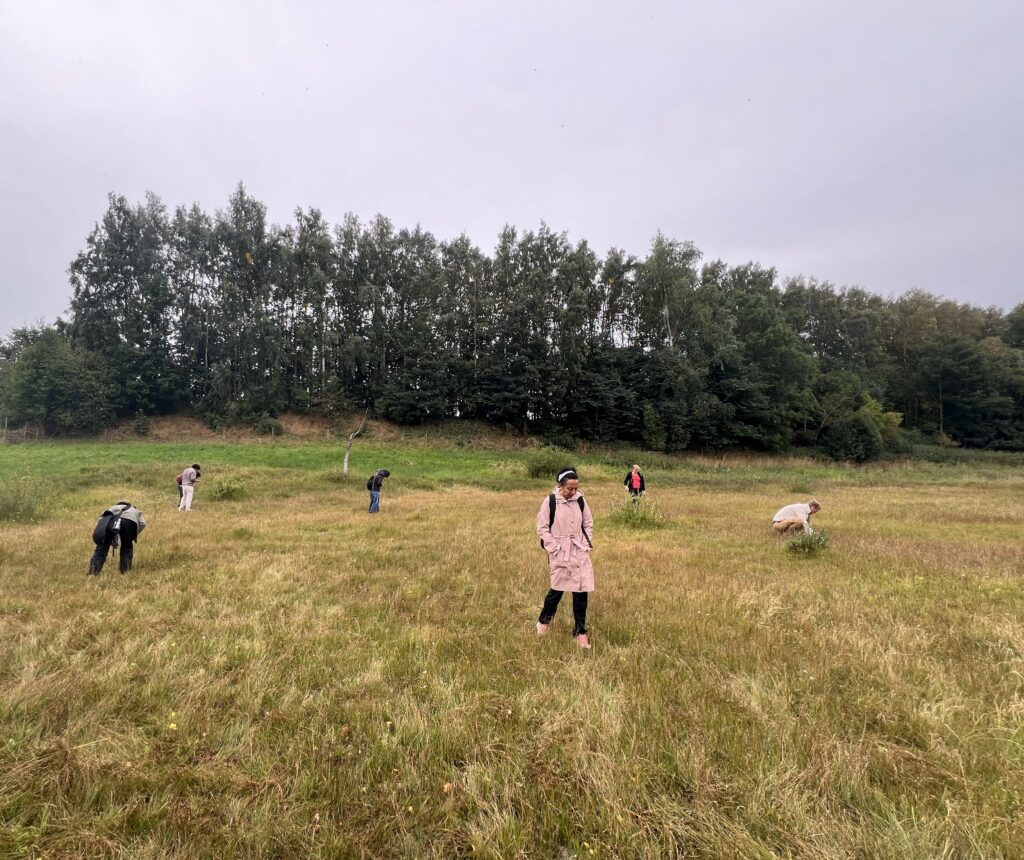
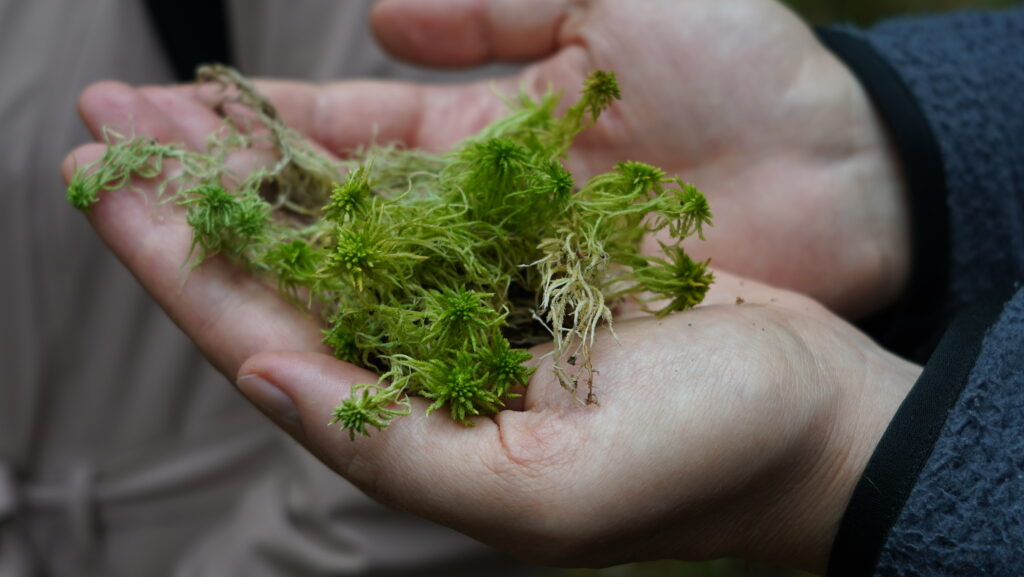
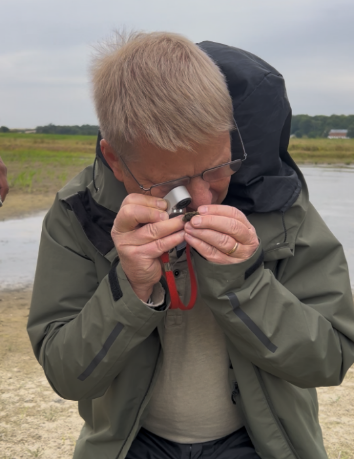
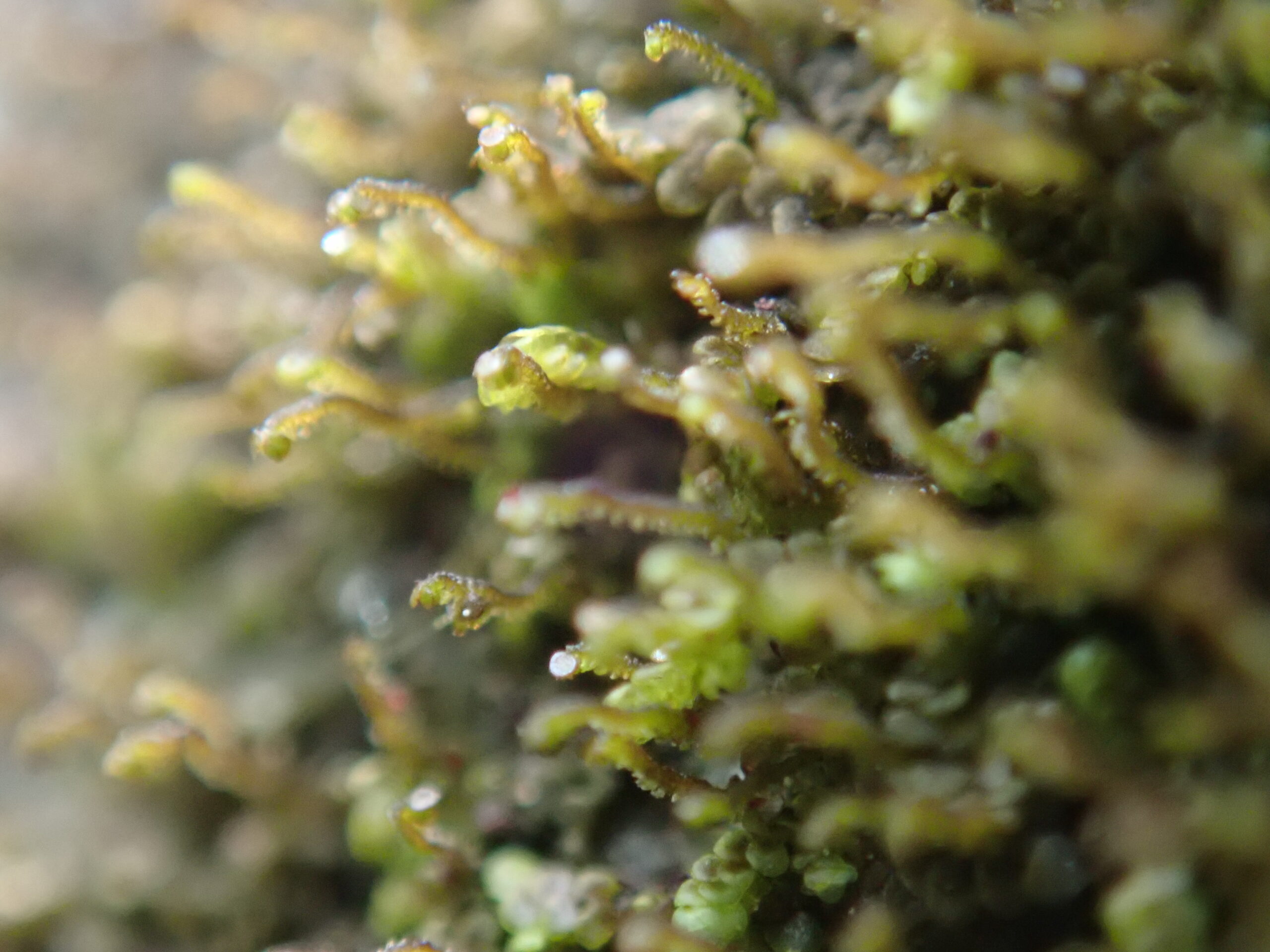
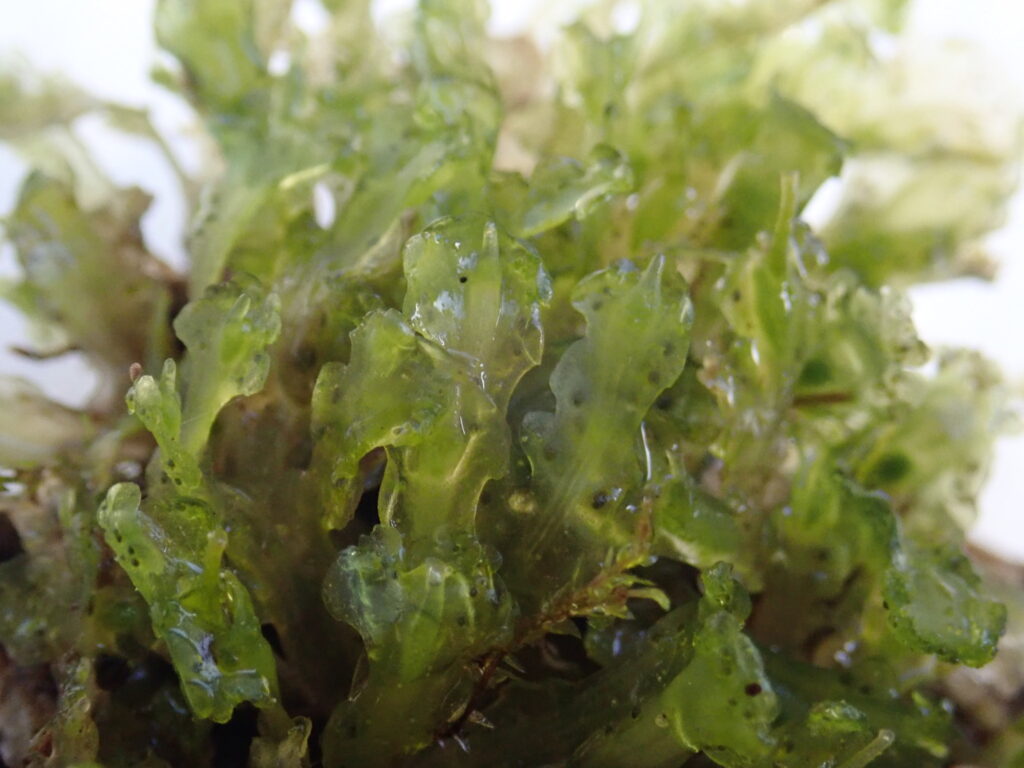
Pictures 3–5: Partners exploring the field during the consortium excursion
The meeting concluded with a bryological excursion in Dalby Söderskog National Park, during which partners stepped away from the meeting room and reconnected with the organisms at the heart of the project.
The second annual meeting showed how much BRYOMOLECULES has achieved, from starting to explore European bryophytes to producing new results and finding promising candidates for further work.
As the project moves into its next phase, the consortium aims to strengthen collaboration across teams, bringing together expertise in research, biodiversity, and innovation to maximise the value of the project’s results.