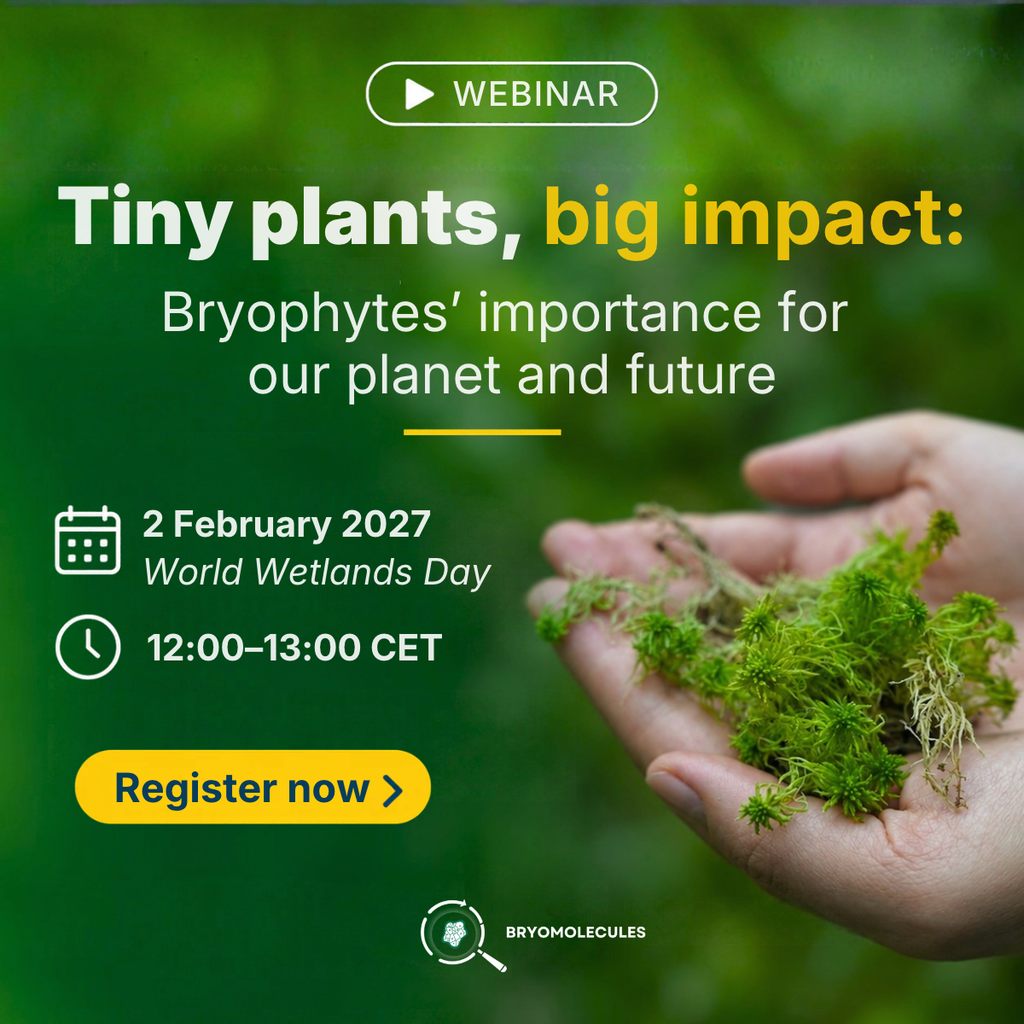
Tiny plants, big impact: Bryophytes’ importance for our planet and future
2 February 2027 | 12:00–13:00 CET
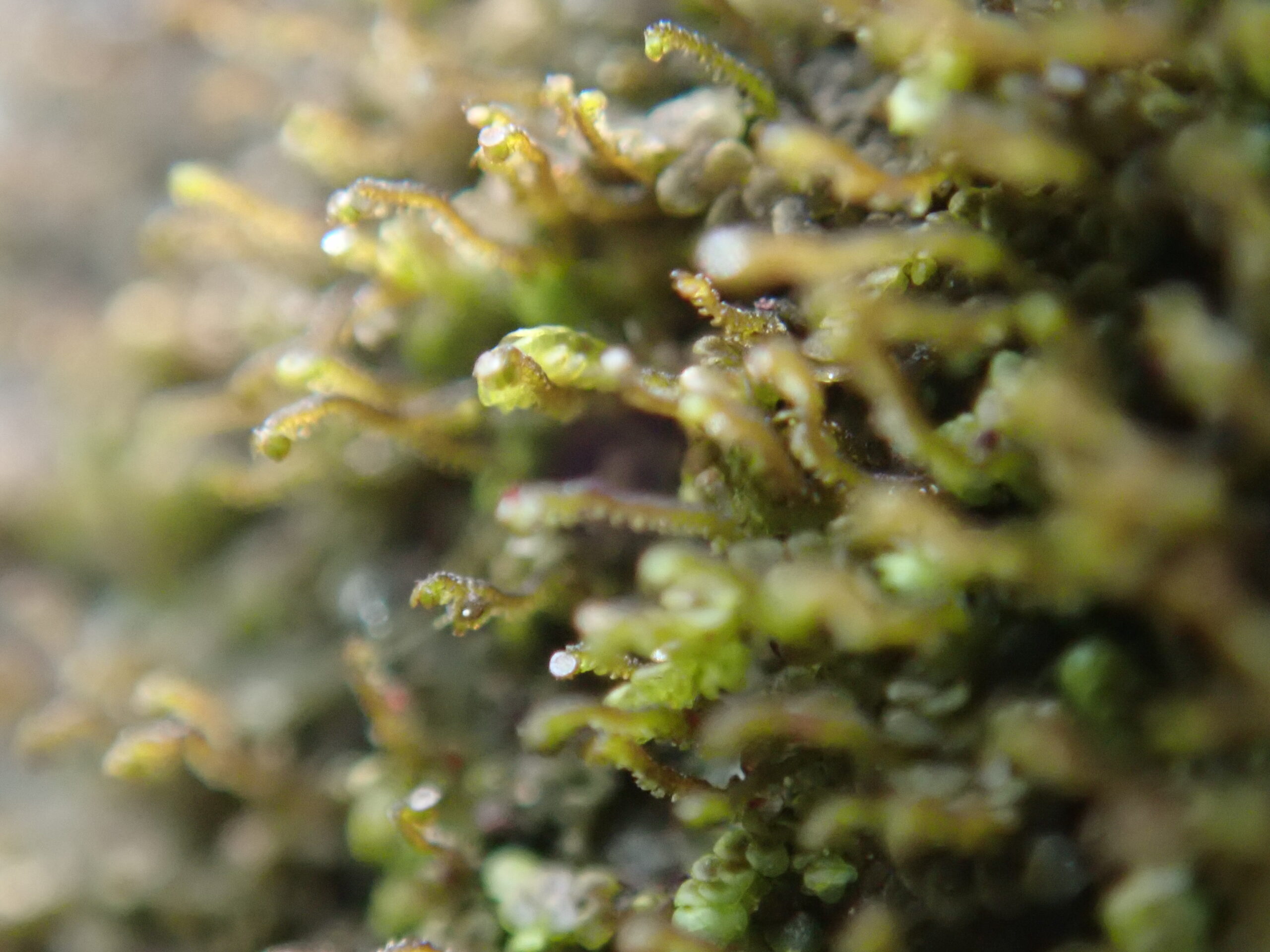
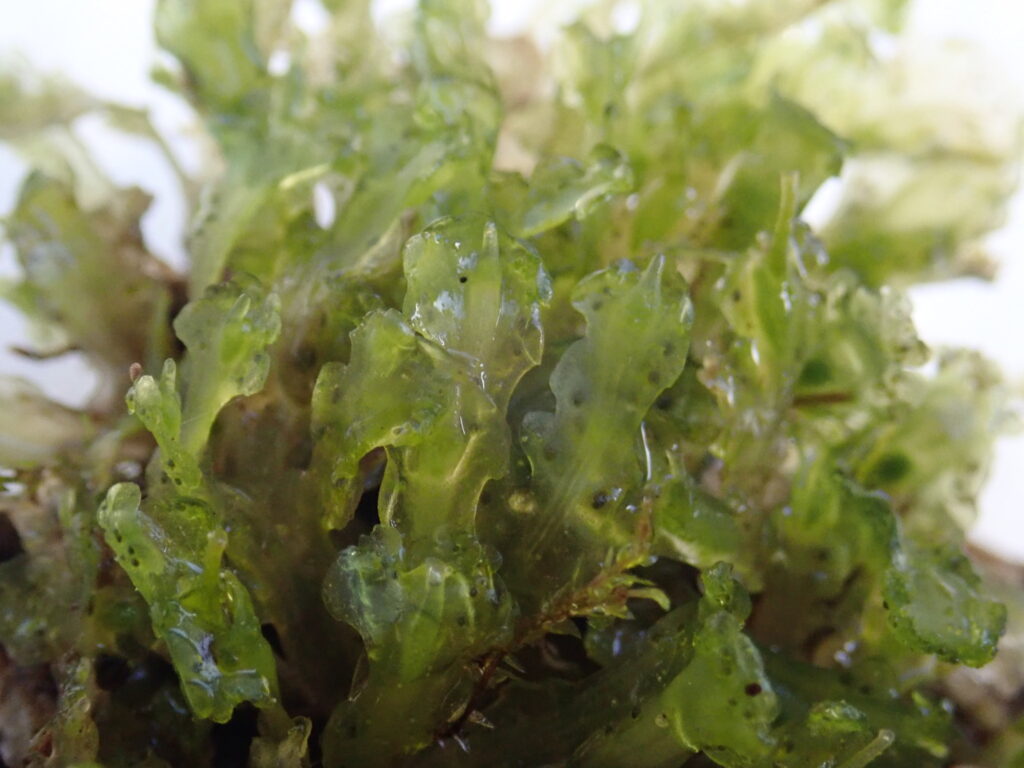
Bryophytes, including mosses, liverworts and hornworts, are an important component of terrestrial ecosystems. Despite their small size, they contribute to soil development, water regulation, carbon and nutrient cycling, and biodiversity.
On World Wetlands Day, the BRYOMOLECULES project is organising an online webinar to explore bryophytes’ ecological functions and their potential for scientific and biotechnological research.
The webinar will cover three main topics:
- Bryophyte diversity and biology: An introduction to mosses, liverworts and hornworts, their characteristics, habitats and ecological functions.
- Ecological and environmental functions: The role of bryophytes in forest ecosystems, wetlands and peatlands, including water retention, soil formation, erosion control, carbon cycling and biodiversity support.
- From biodiversity to biotechnology: How research into European bryophytes can contribute to identifying bioactive compounds and exploring their potential applications in cosmetics and pharmaceuticals. BRYOMOLECULES research approach, from establishing sterile cultures and investigating metabolic pathways to exploring the potential applications of bryophyte-derived compounds.
The session will bring together researchers from academia and industry working on bryophyte biology, ecology and biotechnology:
- Nils Cronberg, Associate Professor, Department of Biology, Lund University
- Eliza Hayse, PhD student at Lund University
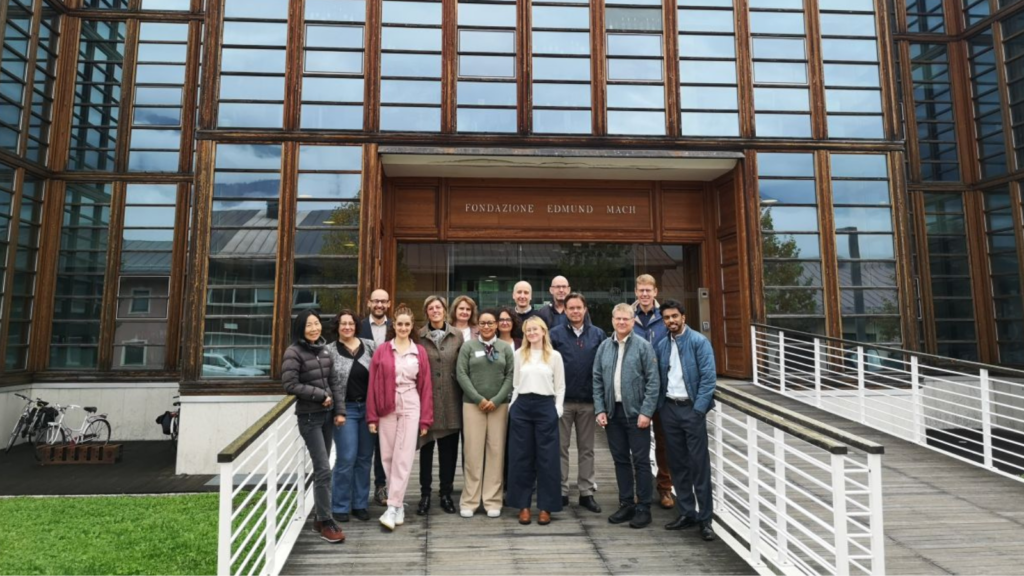
- Claudio Varotto, Researcher at Fondazione Edmund Mach and project coordinator
- Aleksander Salwinski, Head of Analytical Development at Plant Advanced Technologies (PAT)
The event is aimed at undergraduate and graduate students, early-career researchers and anyone interested in plant biology, ecology, biodiversity and biotechnology.
Join us to learn more about bryophyte research and its contribution to ecosystem understanding and sustainable innovation.