From Mosses to Medicine
Did you know aspirin, morphine, and caffeine are all compounds that come from plants? Have you ever used home remedies for various ailments–think chamomile, echinacea, elderberry, or ginger? It is estimated that about 25% of medicines prescribed globally contain direct plant products, and a significantly larger percentage are synthesized by natural products from plants.
A 60,000-Year History of Healing
This isn’t a new phenomenon–archeological evidence suggests humans have been using plants for their medicinal purposes for at least 60,000 years. And even with the development of modern medicine, many cultures still rely on herbal remedies. The World Health Organization even estimates that over 85% of the world population uses herbal medicine, with 80% relying on it as their only source of healthcare.
The Overlooked Power of Bryophytes
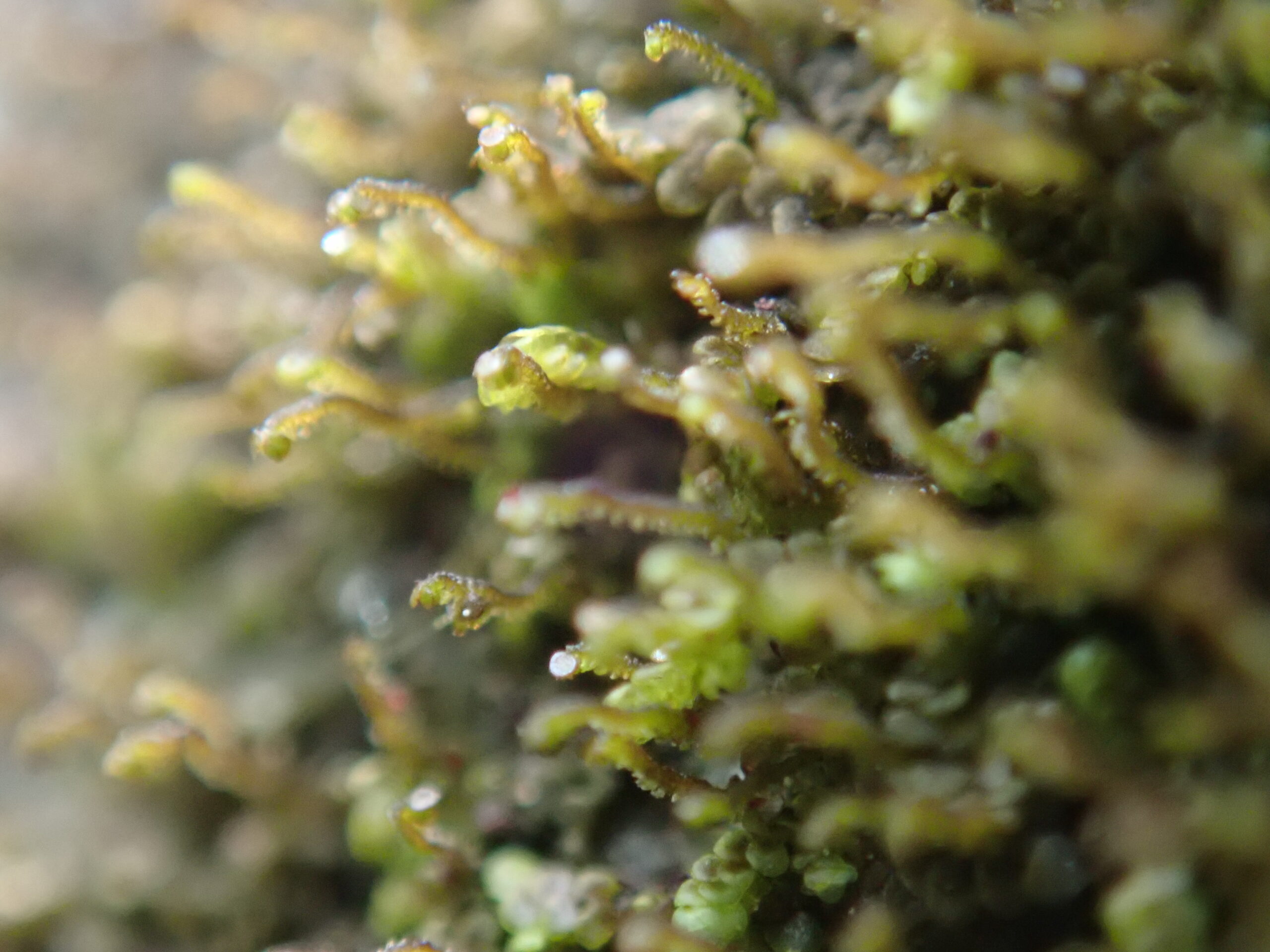
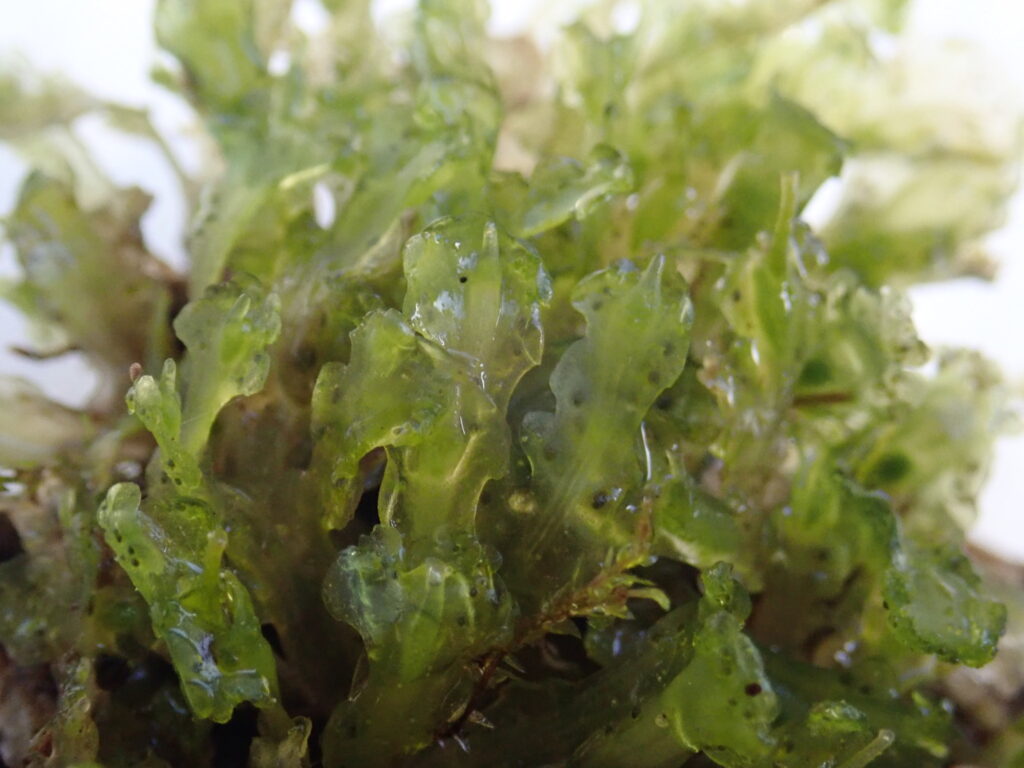
The most commonly known medicines derived from plants are found in just five angiosperm (flowering plant) families. But bryophytes make up the second-largest plant family, with about 20,000-25,000 species. And despite the common Western belief that bryophytes are “useless”, many cultures have historically had many medicinal uses for bryophytes.
“Ethnobryology,” a term first used by Seville Flowers in 1957, refers to the medicinal uses of bryophytes. He found that the indigenous Gosute people of the southwestern USA used bryophytes for medicinal purposes. But what about the rest of the world?
In a 2023 review of the ethnomedicinal uses of bryophytes, researchers found that bryophytes are commonly used in Chinese, Indian, and Native American medicine. Of the 98 total recorded uses, over half were recorded in Asia, with the next-largest group in North and South America. Only nine instances were recorded in Europe. 109 taxa were recorded as used, with 170 different uses (Moti et al. 2023). These remedies span from helping with fever and digestion to nervous system disorders, hair loss, and fungal infections. Many remedies using bryophytes are also used for skin conditions, such as wounds, bruises, and abscesses.
Science Meets Tradition
Although these remedies have not been studied in depth or proven effective, there is scientific evidence supporting the efficacy of bryophytes in treating certain ailments. Bryophytes have a diversity of secondary metabolites that remains underexplored. These metabolites almost certainly include compounds with antibacterial, antifungal, and other therapeutic effects.
Interestingly, there has been a rise in the popularity of natural remedies in the Western world as well. With the rise of antibiotic resistance, untreatable diseases, and other risks to human health, understanding that plants are an important resource for developing and improving new medicines is more important than ever. Even though bryophytes aren’t as well known, perhaps we can use ethnomedicinal knowledge to inspire us to examine the scientific basis of these remedies, enabling us to expand and improve modern medicine.

Author: Eliza Hayse