Exudates from peat mosses
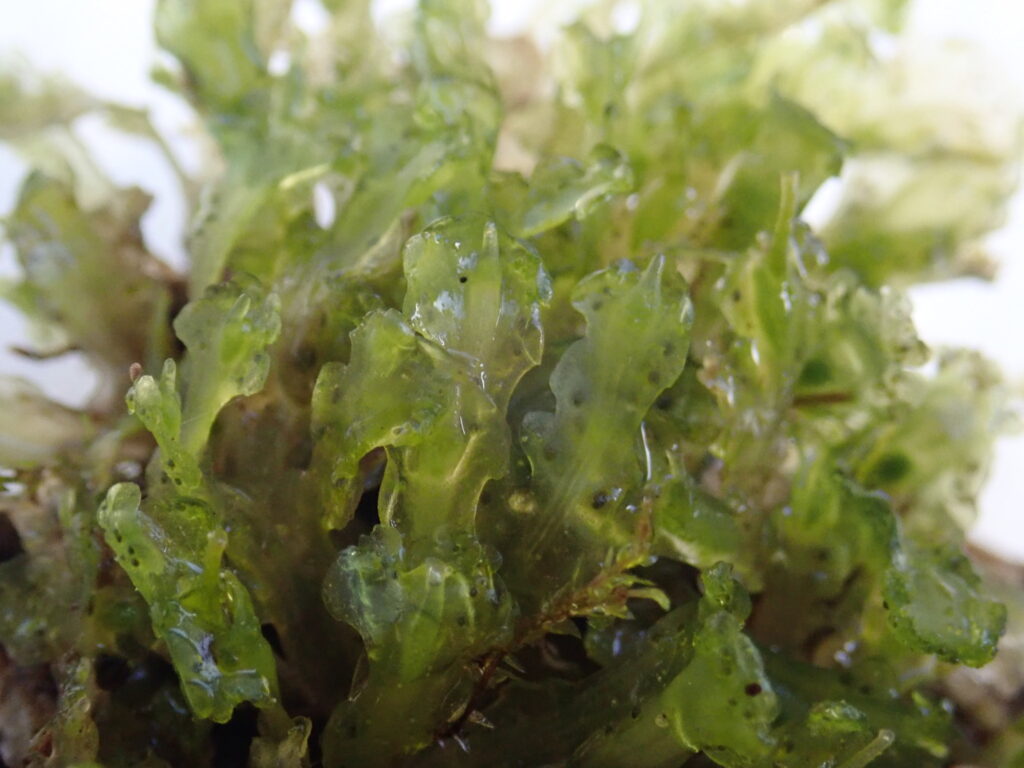
Peatlands are important because they keep a large amount of carbon stored as peat produced by over millennia by specialized peat mosses (belonging to the genus Sphagnum, “Sphagnum-peat”). Remarkably, peatlands store much more carbon than the entire forests of the world. If you stand in the middle of a peat bog in southern Sweden, you may have 8-10 m of peat below your feat.
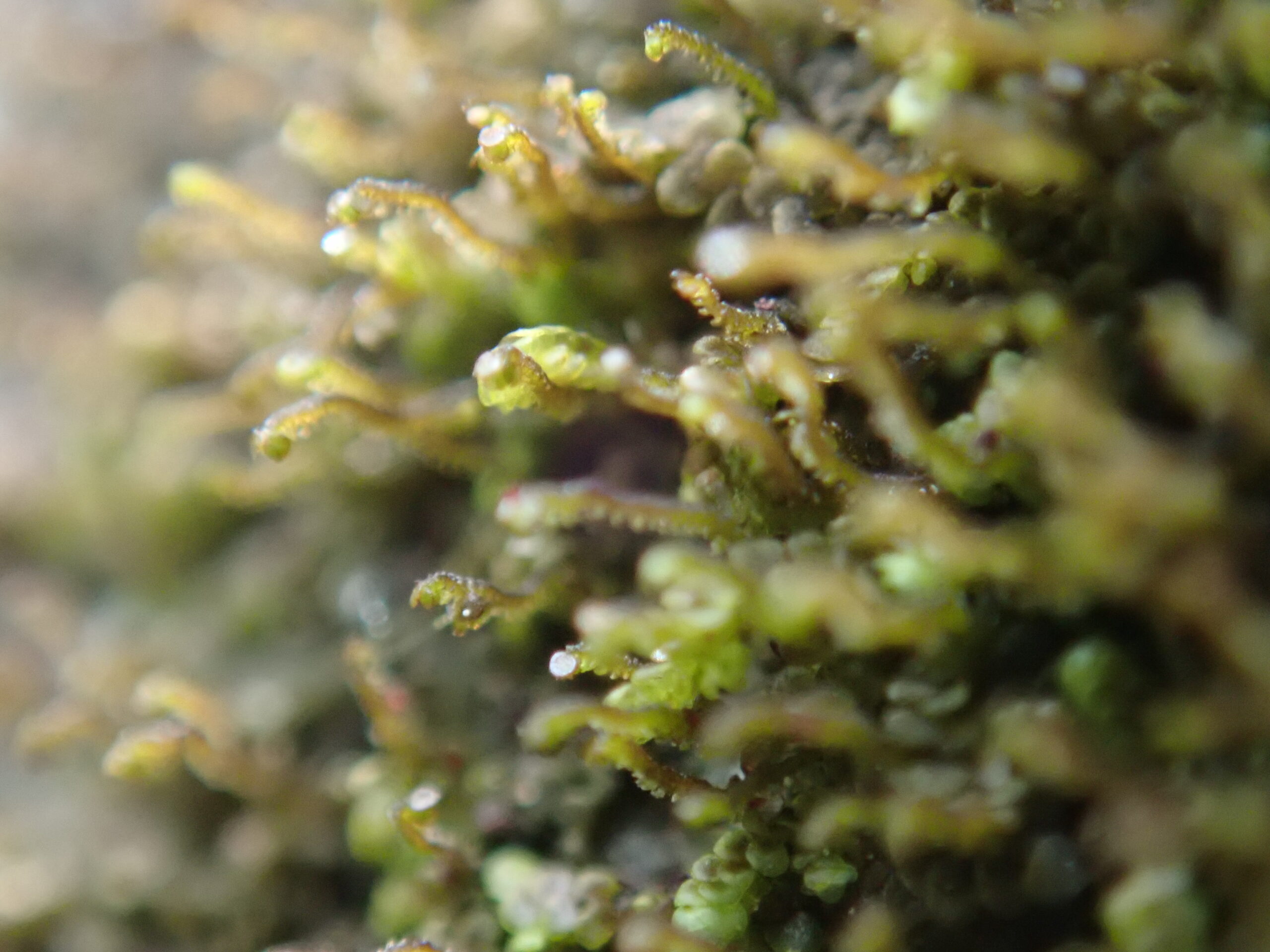
In our field work we observe that with warmer climate and prolonged droughts, the peat mosses start to accumulate exudates at the top of the shoots, looking like blackish-brownish powder. Normally, this phenomenon would have been prevented by regular rain, flushing down the exudates. Instead, the concentration of such exudates builds up to the extent that they negatively affect the growth of the peat mosses, much like what we see in our agar plates (see earlier blog post).
It is a serious problem when the peatland ecosystems are put at stress due to climate change. We have already seen that spots with dead and bleached peat mosses are becoming more abundant on peatlands in southern Sweden. This will reduce the ability of peatmosses to photosynthesize, take up and store carbon dioxide. The important role in mitigating climate change may be lost, or, in worst case, the peat can start to decompose, instead releasing greenhouse gases.
In this perspective, it is a matter of major concern that there are plans to place huge installations of solar panels on peatlands. Areas covered by the panels will receive little or no rain and this will lead to death of peat mosses and high risk of accelerated release of greenhouse gases from the peat layers. This will counteract the intentions of renewable energy to reduce emission of carbon dioxide from fossil fuels. We have responsibility to inform about this effect.
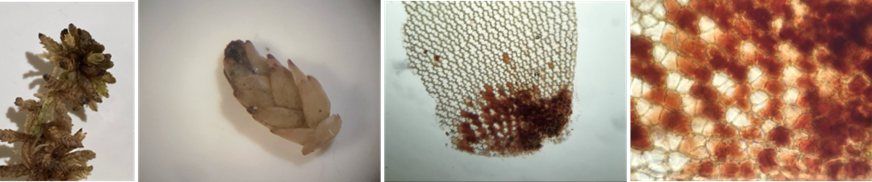
Figure text: Pictures of the peat moss Sphagnum medium from a peat bog in southern Sweden. The whole shoot (left picture) has lost is green and red colouration, bleached by the aggregated exudates, most visible in the branch apices. In the two microscope pictures (to the right), you see brownish exudates on a leaf in different magnification.
Author: Nils Cronberg, Senior Lecturer at Biodiversity and Evolution – Lund University