Pioneering studies of bryophyte exudates
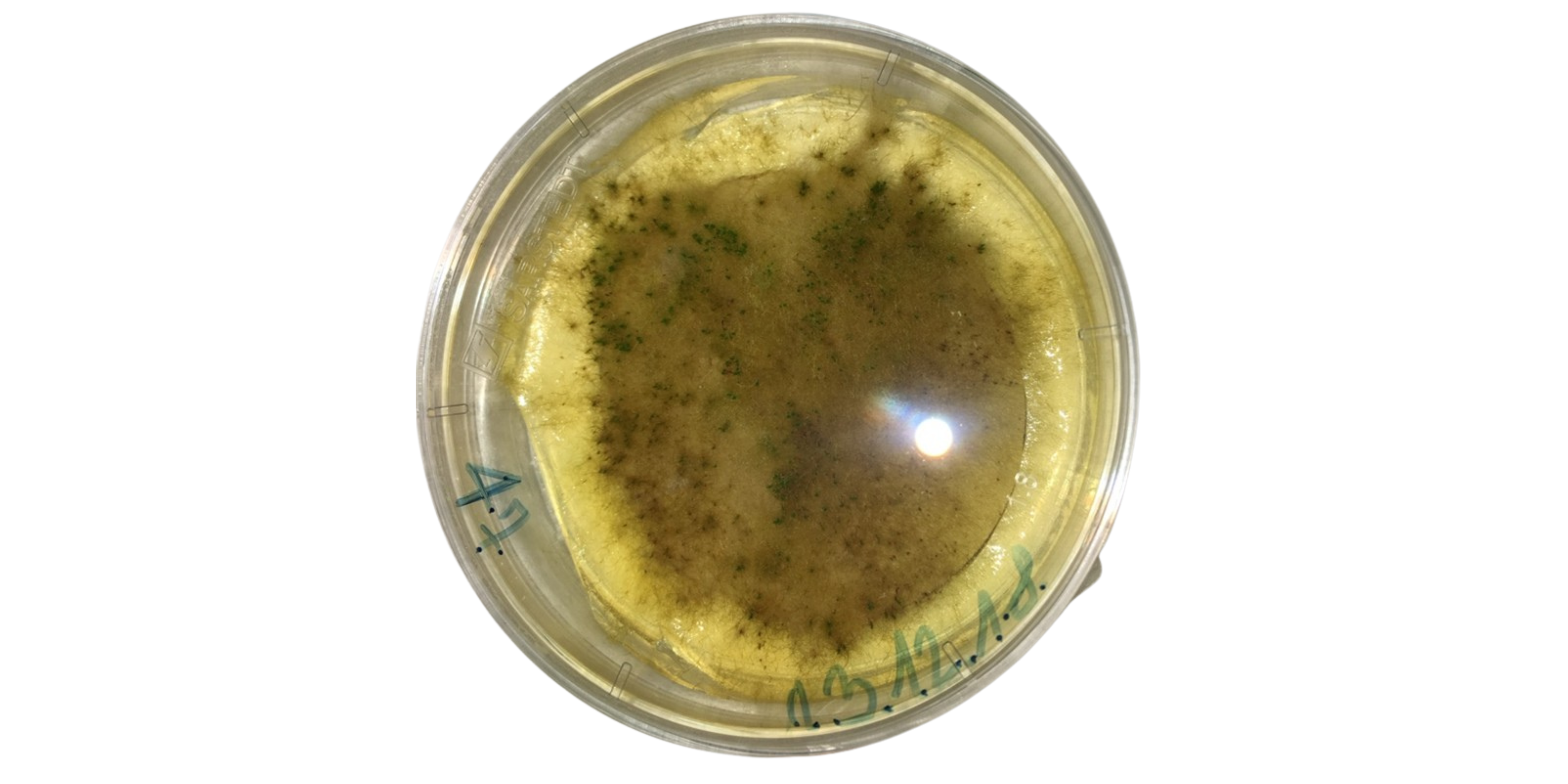
Pioneering studies of bryophyte exudates In recent years, it has become evident that trees and flowers engage in intense and […]
Pioneering studies of bryophyte exudates Read Post »
Pioneering studies of bryophyte exudates In recent years, it has become evident that trees and flowers engage in intense and […]
Pioneering studies of bryophyte exudates Read Post »
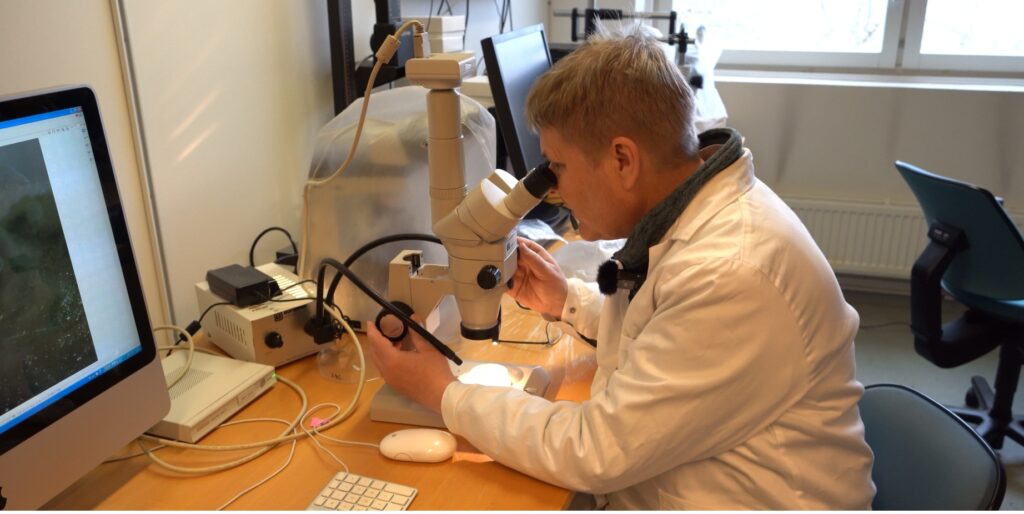
Inclusion of 40+ axenic liverwort accessions to the bryophyte culture collection Our partners at Lund University (Lunds Universitet) have established axenic cultures of 50 moss accessions and 50
Inclusion of 40+ axenic liverwort accessions to the bryophyte culture collection Read Post »
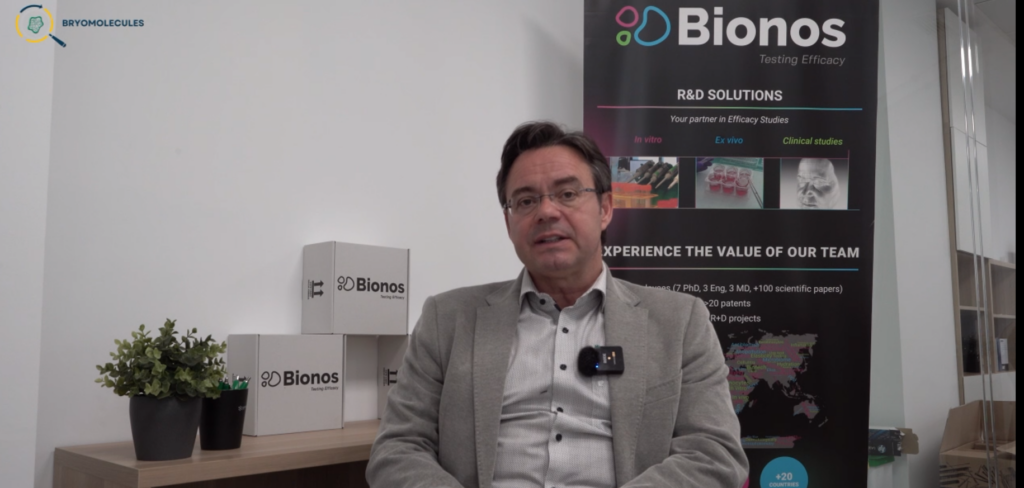
Interview with José L. Mullor: Strengthening Public–Private Collaboration in BRYOMOLECULES To better understand the role of partnership in BRYOMOLECULES, we interviewed
bryophytes make up the second-largest plant family, with about 20,000-25,000 species. And despite the common Western belief that bryophytes are “useless”, many cultures have historically had many medicinal uses for bryophytes.
From Mosses to Medicine Read Post »
Policy brief 1 This first policy brief, published by the BRYOMOLECULES project in August 2025, focuses on the policy implications
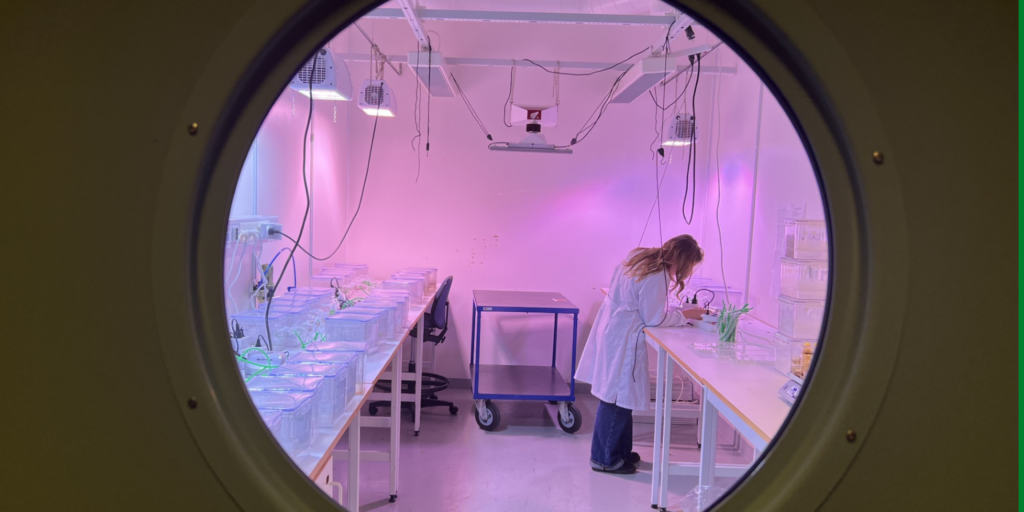
This 10-minute film explores bryophytes, mosses and liverworts, their benefits for biotechnology-based sustainable innovations in cosmetics and pharmaceuticals.
Unlocking the Potential of Bryophytes: BRYOMOLECULES documentary released Read Post »
How bryophytes build biodiversity? When considering biodiversity, people usually think of tropical forests, bustling butterflies, squawking birds, fluffy mammals, towering
How bryophytes build biodiversity? Read Post »